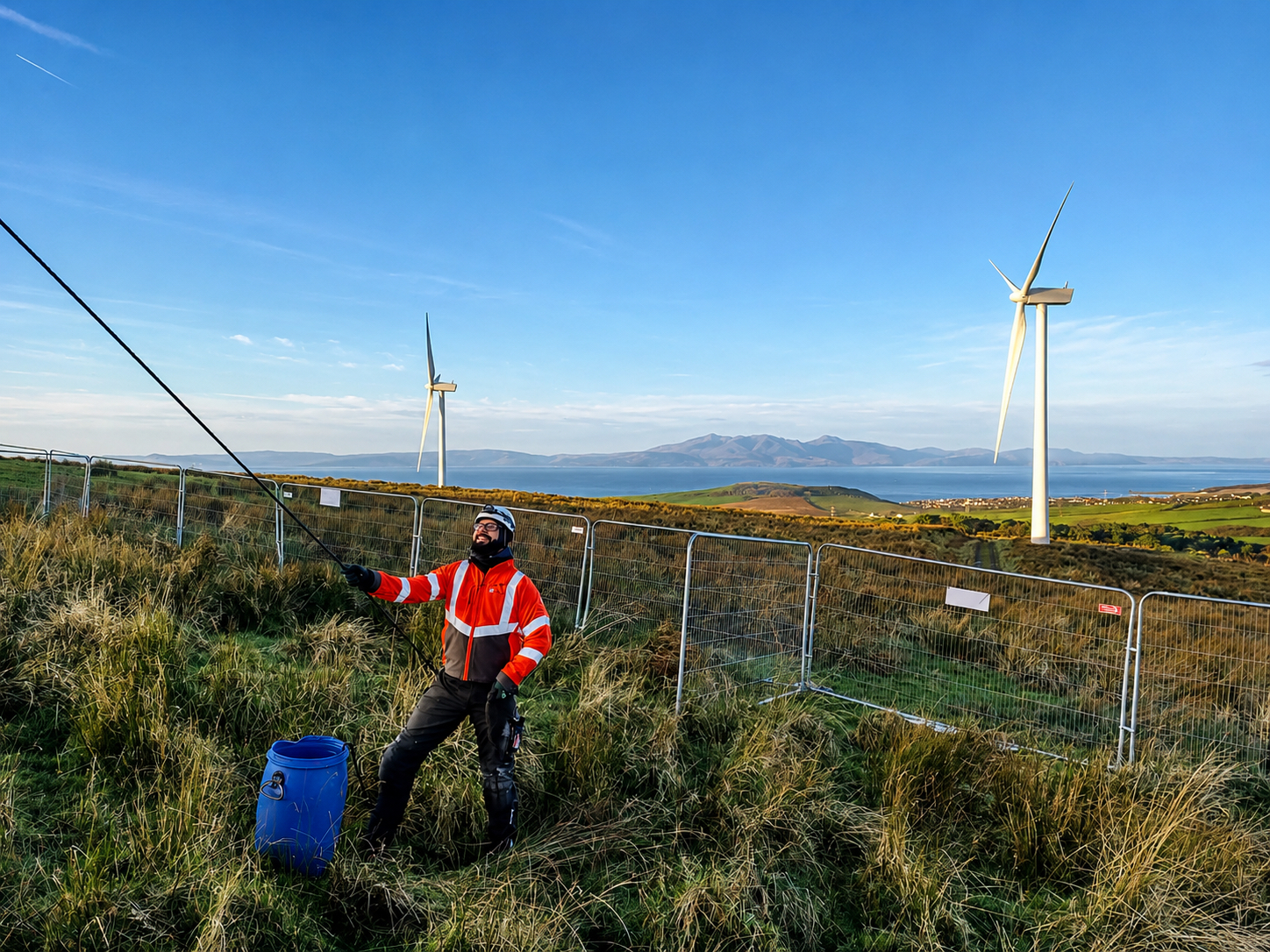
Winter can place additional demands on wind turbines, with high winds, freezing temperatures and prolonged exposure to harsh weather increasing the importance of keeping components in good condition.
For wind farm operators, autumn is the ideal time to prepare. A preventative approach to wind turbine maintenance lets operators complete essential inspections, servicing and repairs while weather and site conditions are more favourable, reducing the likelihood of maintenance work during the harshest winter months.
From blade inspections and lubrication to bolt checks and planned component replacements, preparing turbines ahead of winter can help minimise avoidable downtime and support reliable operation.
In this short guide, we outline the key maintenance activities operators should prioritise before winter arrives.
Why winter tests a wind farm
Wind turbines are designed to operate in demanding environments, but winter conditions can make maintenance more difficult to plan and carry out.
High winds can restrict working at height and lifting operations, while ice and freezing temperatures introduce additional hazards. Shorter daylight hours can reduce available working time, and heavy rainfall or snow can affect access roads, crane hardstandings and ground conditions.
If maintenance is delayed and an issue develops into a more serious fault during winter, these restrictions can make repairs more difficult to arrange, potentially extending downtime and increasing costs. And the costs of avoiding planned maintenance extend beyond lost generation to include safety risks, compliance issues and wider operational disruption.
Inspect wind turbine blades before storms
Turbine blades are continuously exposed to the elements, making regular inspection an important part of winter preparation.
Leading-edge erosion, surface damage and defects around blade attachments can worsen under prolonged exposure to wind and rain. Lightning protection systems and blade furniture should also be assessed for damage or deterioration before winter sets in.
A planned blade inspection should consider:
- Leading-edge erosion: Identifying wear that may affect aerodynamic performance.
- Surface damage: Checking for cracks, coating deterioration and visible defects.
- Lightning protection: Inspecting receptors and accessible system components.
- Blade furniture: Checking the condition and security of relevant attachments.
Identifying and addressing blade damage before winter helps protect components from further deterioration during prolonged exposure to harsh weather. Scheduling wind turbine blade repairs or blade exchanges, where necessary, in autumn also provides greater flexibility before suitable access and repair windows become more limited.
Ice accumulation on turbine blades during winter can affect aerodynamic performance, reduce power generation and introduce additional safety risks. To complement our planned maintenance services, we offer drone-based blade de-icing as an additional service to help operators manage the impact of winter weather on turbines.
Lubrication, bolts and bearings: the planned pre-winter checks
Preventative maintenance should cover the mechanical components responsible for reliable turbine operation.
Gearboxes, generators, blade bearings and main bearings require maintenance in accordance with manufacturer specifications and servicing schedules.
Pre-winter activities may include:
- Lubrication: Checking lubricant condition and levels, and completing scheduled lubrication of bearings and other components.
- Cleaning: Removing accumulated dirt, grease and contaminants from relevant equipment.
- Bolt torque and tension checks: Checking specified fasteners using approved procedures.
- Component inspections: Assessing accessible gearbox, generator and bearing components for visible wear or deterioration.
- Planned repairs: Completing identified repairs and scheduled servicing before winter restricts access.
Completing these checks before winter helps ensure critical mechanical components are properly maintained ahead of challenging conditions. A proactive approach also lets operators address wear and deterioration before it becomes more serious, helping avoid higher repair costs, longer downtime and operational disruption that can result from delaying maintenance until something goes wrong.
Planning lifts around weather windows
Where inspections or maintenance schedules identify the need for major component replacement, completing this work before winter can help avoid the additional challenges of lifting operations in adverse weather.
Replacing components such as gearboxes or generators requires specialist lifting equipment and careful coordination. As high winds can restrict crane operations, planning around suitable weather windows is particularly important during autumn.
A lift plan should consider:
- Load and crane requirements: Confirming component weights, lifting configurations and crane capacity.
- Ground conditions: Assessing crane positioning, hardstanding suitability and ground-bearing capacity.
- Weather restrictions: Establishing operating wind limits and suitable lifting windows.
- Site coordination: Confirming access, personnel responsibilities and communication arrangements.
- Contingency arrangements: Planning secure storage for components and equipment if lifting operations are delayed.
AIS Wind Energy supports wind turbine component replacement, including specialist lift planning and project management.
Safe access in bad weather
Winter maintenance requires careful consideration of technician safety, particularly when working at height. Wind speed, ice, visibility, and site access must be assessed before work begins, and activities must be postponed when conditions exceed safe operating limits.
AIS Wind Energy’s GWO-certified technicians work under the Wind Turbine Safety Rules (WTSR) and follow established procedures for safe turbine access and maintenance. We also ensure appropriate risk assessments, method statements and emergency arrangements are in place.
Operators must also consider relevant statutory inspection requirements, including those under the Lifting Operations and Lifting Equipment Regulations (LOLER) and Provision and Use of Work Equipment Regulations (PUWER), where applicable. Completing scheduled inspections and confirming equipment certification before winter helps maintain compliance and avoid unnecessary restrictions on planned work.
When choosing between wind farm maintenance companies in the UK, look for proven technical expertise, effective planning, and a strong commitment to safety, especially when preparing for challenging winter conditions.
A pre-winter wind farm maintenance checklist
Drawing on our extensive industry experience, here’s our practical wind turbine winter maintenance checklist to help operators identify the key activities to consider when preparing their assets for colder conditions.
Before winter arrives, it’s worth ensuring that the following activities are included in your planned maintenance programme:
- Inspect turbine blades: Assess leading-edge erosion, surface damage, lightning protection and blade furniture.
- Complete scheduled lubrication: Check lubrication requirements for gearboxes, generators and relevant bearings.
- Check critical fasteners: Complete specified bolt torque and tension checks.
- Clean and inspect components: Carry out scheduled cleaning and visual inspections of mechanical equipment.
- Schedule identified repairs: Plan necessary blade repairs and other preventative work.
- Coordinate lifting operations: Confirm lift plans, crane availability, weather limits and secure storage arrangements.
- Review safety and compliance: Verify technician competence, WTSR arrangements and applicable statutory inspections.
- Confirm site readiness: Assess access roads, ground conditions and contingency arrangements.
Supporting reliable turbine operation through winter
Preparing wind turbines for winter requires more than completing routine servicing. It involves identifying maintenance requirements, coordinating specialist technicians and ensuring essential work is carried out safely before weather conditions become more restrictive.
AIS Wind Energy provides scheduled wind turbine maintenance services, helping operators prepare their turbines for winter through preventative inspections, lubrication, bolt checks, servicing and planned repairs.
Contact AIS Wind Energy to discuss your planned maintenance requirements and how we can help prepare your turbines for winter.